Maximize Your Visit: Best Bryce Canyon Views for Every Moment
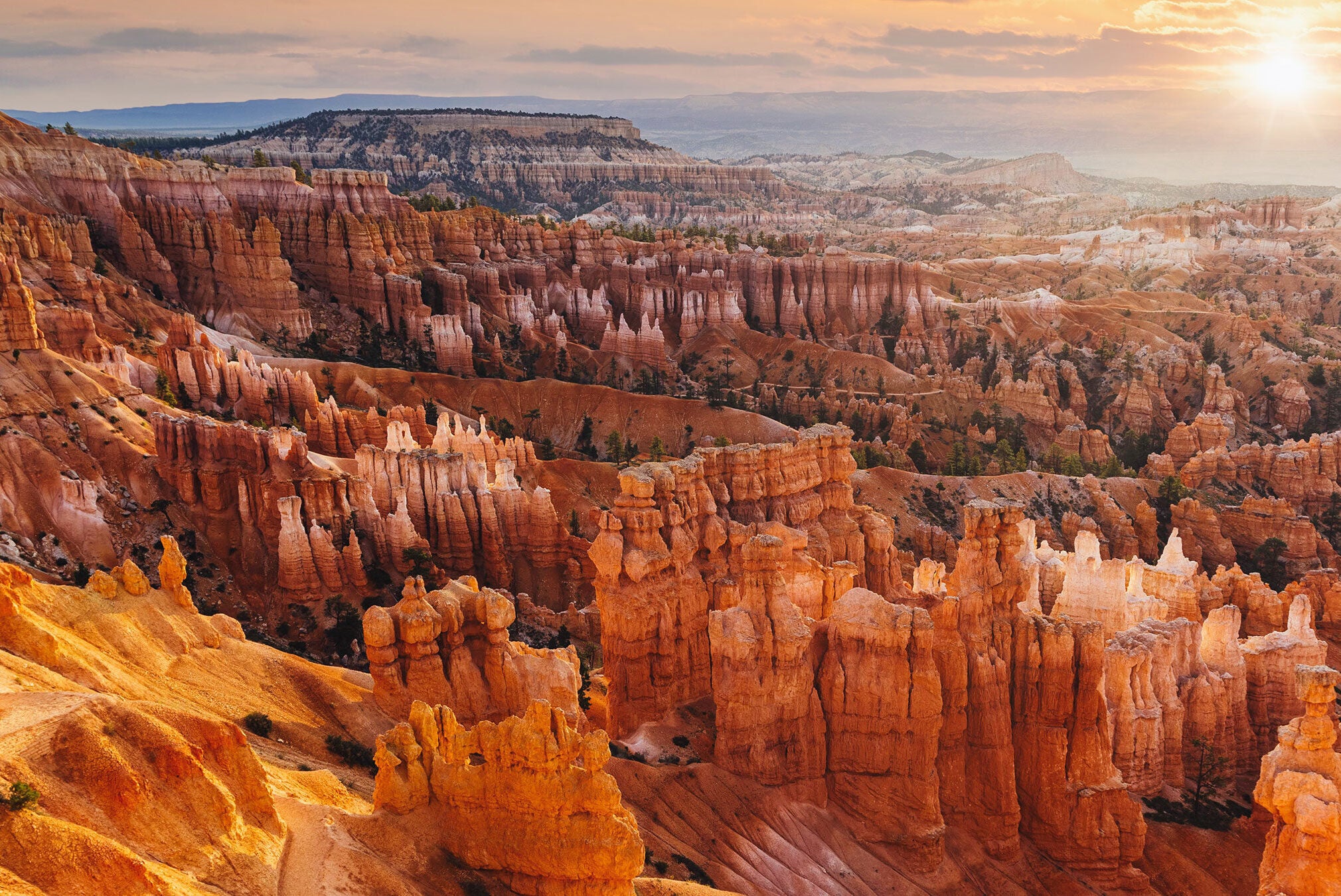
Bryce Canyon National Park, with its mesmerizing amphitheaters carved into the eastern edge of the Paunsagunt plateau, presents a landscape unlike any other. Famous for its vibrant red, orange, and white hoodoos, these geological spires create an otherworldly spectacle. Navigating the park's many incredible Bryce Canyon overlooks can feel overwhelming, especially if you're aiming to capture that perfect sunrise glow or a serene sunset shot, or simply want to prioritize the most stunning vistas without extensive hiking.
Having explored every major viewpoint across different seasons and lighting conditions, we've gained an intimate understanding of what makes each spot truly special. This comprehensive guide will reveal the best Bryce Canyon overlooks, offering tips on when to visit, what to expect, and even highlight a few surprisingly underrated gems. Whether you're a first-timer or a returning enthusiast, our goal is to help you discover the viewpoints that perfectly align with your travel style, be it dramatic cliffs, sweeping amphitheaters, or peaceful, less crowded spots.
Navigating Bryce Canyon: A Guide to Its Majestic Overlooks
Bryce Canyon National Park is thoughtfully laid out along one main 18-mile north-to-south scenic drive, featuring a single entrance and exit. As you journey into the park, all the primary viewpoints and trailheads are conveniently located on your left. The park can be broadly divided into three main viewing areas: the iconic Bryce Amphitheater, the expansive Southern Scenic Drive, and the more secluded Fairyland Point.
For an optimal experience, we recommend driving all the way to the park's highest elevations at Rainbow and Yovimpa Points first, then making your stops at the various Bryce Canyon overlooks on your return trip north. This strategy ensures all the pull-offs will be on your right-hand side, making for easier access and a more relaxed pace as you explore.
The Iconic Bryce Amphitheater: Heart of the Hoodoos
Often referred to as the 'Silent City,' the Bryce Amphitheater is undeniably the centerpiece of the national park. This colossal bowl-shaped depression houses the largest concentration of hoodoos on Earth, a breathtaking sight that continuously changes with the shifting light. The most iconic Bryce Canyon overlooks are clustered within the first three miles of the main road, offering unparalleled views into this geological wonderland.
Bryce Point: The Sunrise Spectacle
Many consider the view from Bryce Point to be the absolute finest in Bryce Canyon, and it's certainly among the most jaw-dropping panoramic views the park has to offer. Its eastward orientation makes it nothing short of magical at sunrise. As the first rays of light kiss the distant spires, the hoodoos ignite in a fiery display of reds, oranges, and purples, casting long, dramatic shadows that gradually shorten and disappear. The scale here is immense, offering a sweeping vista that truly captures the essence of Bryce Canyon's grandeur. Even outside of sunrise, the sheer breadth of the view makes it an absolute must-see for any visitor.
Inspiration Point: Layers of Grandeur
Just a short drive from Bryce Point, Inspiration Point lives up to its name with a spectacular multi-tiered perspective of the Bryce Amphitheater. From its various levels, you gain a deeper, birds-eye view into the "Silent City," allowing you to appreciate the intricate patterns and countless hoodoos stretching out below. The sheer density of formations here is astounding, and you can spend considerable time just tracing the outlines of individual spires and imagining their formation over millennia. It’s an excellent spot for photographers seeking to capture the depth and texture of the canyon.
Sunset Point: Hues of History
Despite its name, Sunset Point is a fantastic destination at any time of day, and surprisingly, it's also a popular spot to witness the sunrise. This famous overlook provides vistas of some of Bryce Canyon's most breathtaking and well-known hoodoo formations. The colors here are exceptionally vibrant—pinks, purples, oranges, yellows, reds, and whites—especially when bathed in the warm glow of either dawn or dusk. You'll easily spot iconic formations like Boat Mesa and the Sinking Ship. This is also a significant trailhead, marking the beginning of the popular Navajo Loop Trail, which quickly descends into the canyon, offering an up-close view of the famous Thor's Hammer before the switchbacks begin.
Sunrise Point: Panoramic Beginnings
As the northernmost of the four major viewpoints overlooking the Bryce Amphitheater, Sunrise Point offers a remarkable 360-degree view that extends beyond the immediate hoodoo formations. Slightly higher than the nearby Rim Trail, it provides an expansive vantage point over the entire 'Silent City,' allowing you to see not only the individual hoodoos but also the larger sandstone fins from which they erode. While spectacular at dawn, the views are excellent throughout the day. Its wide-open skies also make it a prime location for stargazing after dusk. Sunrise Point also serves as the beginning of the scenic Queen’s Garden Trail, offering a gentle descent into the canyon.
Southern Scenic Drive: Beyond the Main Amphitheater
While the Bryce Amphitheater commands much of the attention, the Southern Scenic Drive offers a different, often quieter, experience with unique Bryce Canyon overlooks. As you venture further south, the landscape changes, offering new perspectives and higher elevations. Remember the tip: drive to the end first, then explore these overlooks on your way back north.
Paria View & Swamp Canyon Overlook: Tranquil Beauty
Among the earlier stops on the Southern Scenic Drive, Paria View offers a distinct perspective, looking east over the Paria River drainage. Unlike the dense hoodoo forests of the main amphitheater, this overlook provides a more expansive, rugged vista of distant plateaus and canyons, often revealing different geological layers. Swamp Canyon Overlook, true to its name, offers a view down into a lush, tree-filled canyon—a stark contrast to the barren hoodoo landscapes. These spots tend to be less crowded, providing a tranquil escape and a chance to appreciate Bryce Canyon's varied ecosystems.
Agua Canyon & Ponderosa Canyon: Distinctive Hoodoo Formations
Continuing south, Agua Canyon and Ponderosa Canyon provide stunning views into deep, narrow canyons with unique hoodoo groupings. Agua Canyon is famous for its two prominent hoodoos, often nicknamed "The Hunter" and "The Rabbit," standing side-by-side. Ponderosa Canyon, on the other hand, is characterized by its towering ponderosa pines interspersed among the hoodoos, creating a beautiful interplay of red rock and dark green foliage. These overlooks are perfect for those who appreciate seeing distinct, named formations and enjoy the contrast of pine forests against the vibrant hoodoos.
Rainbow Point & Yovimpa Point: The Summit of Scenic Splendor
At the very end of the 18-mile scenic drive, you'll reach the park's highest elevations at Rainbow Point and Yovimpa Point. These two overlooks are essentially adjacent to each other and offer breathtaking panoramic views stretching over 100 miles on a clear day, encompassing parts of the Grand Staircase-Escalante National Monument and even the distant Arizona Strip. From Yovimpa Point, you can gaze down the entire Grand Staircase, seeing the different colored cliffs from chocolate brown to pink. Rainbow Point offers a more eastern vista, often adorned with high-elevation flora and fauna unique to this part of the park. These highest Bryce Canyon overlooks provide a grand finale to your scenic drive.
Fairyland Point: A Secluded Gateway
Away from the main Bryce Amphitheater cluster, Fairyland Point offers a quieter, often less crowded introduction to Bryce Canyon's beauty. Located just before the main park entrance on the scenic drive, it provides a different angle into the hoodoo landscape. This overlook is the starting point for the strenuous Fairyland Loop Trail, but even just the view from the rim is spectacular, showcasing a more secluded section of hoodoos and geological formations. It’s an excellent choice for those seeking solitude or wanting a glimpse into the park's majesty before diving into the busier sections.
Essential Tips for Maximizing Your Bryce Canyon Overlook Experience
- Best Times to Visit: For stunning photography and fewer crowds, aim for early morning (sunrise) or late afternoon (sunset). The light during these "golden hours" dramatically enhances the hoodoos' colors and textures. Mid-day can still be beautiful but expect harsher light and more visitors.
- Shuttle System & Parking: During peak season, utilizing the free park shuttle is highly recommended, especially for the Bryce Amphitheater area. This alleviates parking stress and allows you to hop on and off at various overlooks and trailheads. Parking lots at popular overlooks can fill quickly.
- Photography Advice: Bring a wide-angle lens to capture the vastness of the landscapes and a telephoto lens to isolate specific hoodoos or distant formations. Experiment with different compositions, using foreground elements like trees or rocks to add depth. Don't forget your tripod for sunrise/sunset or stargazing!
- Accessibility: Many of Bryce Canyon's main overlooks, including Sunset, Sunrise, and Inspiration Points, offer paved, wheelchair-accessible paths to their viewing platforms, ensuring everyone can enjoy these incredible vistas.
- Dress in Layers: Bryce Canyon's elevation means temperatures can fluctuate significantly, even within a single day. Be prepared with layers, water, and sun protection.
Bryce Canyon National Park is a testament to nature's artistry, with each overlook offering a unique perspective on its iconic hoodoos and expansive landscapes. Whether you're chasing the first light at Bryce Point, delving into the vibrant hues of Sunset Point, or finding serenity at Fairyland Point, the park promises unforgettable views around every bend. With this guide, you're well-equipped to maximize your visit and discover the best Bryce Canyon overlooks for every moment of your adventure.
